The Ultimate Guide to Holidays in Cairo 2026
Cairo has always been a city of layers, where the dust of five thousand years of history settles upon the vibrant, neon-lit energy of a 21st-century megacity. However, if you are planning a holiday to Cairo in 2026, you are arriving at a pivotal moment. The city has recently undergone its most significant cultural transformation in a century, anchored by the full-scale operation of the Grand Egyptian Museum and the rise of a new “tourism corridor” that bridges the gap between the ancient Giza plateau and modern luxury.
Whether you are a history enthusiast, a food lover, or an urban explorer, Cairo in 2026 offers an experience that is more accessible, tech-forward, and immersive than ever before.
The New Heart of Heritage: The Grand Egyptian Museum (GEM)
The undisputed crown jewel of 2026 is the Grand Egyptian Museum (GEM). After years of anticipation, the museum is now in its first full year of unrestricted operation. Located just two kilometers from the Giza Pyramids, this architectural masterpiece is the largest archaeological museum in the world dedicated to a single civilization.
- The Tutankhamun Collection: For the first time, all 5,000+ pieces found in King Tut’s tomb are displayed together in a massive, dedicated wing.
- The Grand Atrium: Upon entry, you are greeted by the 3,200-year-old colossal statue of Ramses II, standing under a soaring glass roof that plays with the desert’s natural light.
- Timed-Entry Strategy: In 2026, the GEM utilizes a strictly timed-entry digital ticketing system. To avoid disappointment, experts recommend booking your slot at least three weeks in advance. The museum’s flow is designed to handle nearly 20,000 visitors a day, but the morning slots (8:00 AM – 10:00 AM) remain the gold standard for a quieter experience.
The Giza Plateau: Augmented Reality and Ancient Wonders
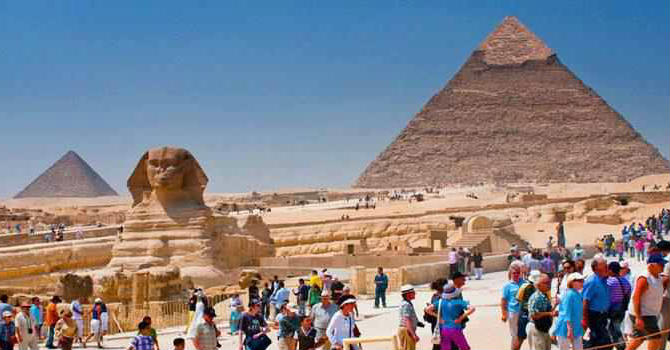
The Pyramids of Giza remain the world’s most iconic landmark, but the way you visit them in 2026 has changed. The plateau has transitioned into a more pedestrian-friendly zone, with a new fleet of eco-friendly electric buses and golf carts whisking visitors between the Great Pyramid, the Sphinx, and the various panoramic viewpoints.
One of the most exciting additions this year is the introduction of Augmented Reality (AR) stations. At specific points around the plateau, travelers can use AR screens or mobile apps to “see” the pyramids as they looked 4,500 years ago—complete with their gleaming white limestone casing and gold-capped tops. This blend of ancient stones and digital storytelling provides a profound new perspective on how these structures were built and what they represented to the people of the Old Kingdom.
Beyond the Pyramids: Cairo’s Cultural Neighborhoods
While the pyramids draw you in, Cairo’s neighborhoods are what make you fall in love with the city. Each district offers a distinct “vibe” that caters to different types of travelers:
- Zamalek (The Sophisticated Island): Located on an island in the middle of the Nile, Zamalek is the heart of Cairo’s dining and arts scene. It is the best place to stay if you want leafy streets, boutique hotels, and high-end galleries. In 2026, its riverside walks have been expanded, offering beautiful evening strolls away from the heavy city traffic.
- Islamic Cairo and Khan El-Khalili: For an authentic sensory overload, head to the historic core. The 14th-century Khan El-Khalili bazaar remains a bustling labyrinth of spices, silver, and lanterns. Nearby, the freshly restored Al-Muizz Street—the world’s greatest concentration of medieval Islamic architecture—is now illuminated at night, making it a perfect spot for photography.
- Downtown (Paris on the Nile): If you enjoy 19th-century European architecture and vibrant street life, Downtown is your base. The area around Tahrir Square has seen a major revitalization, with the old Egyptian Museum (the pink building) still housing significant collections, including the Tanis Royal Tombs.
Navigating the 2026 Logistics
Cairo has famously challenging traffic, but 2026 has seen significant improvements in transit.
- Ride-Hailing is King: Uber and Careem remain the safest and most reliable ways to get around. They offer fixed pricing, which eliminates the need for the traditional “taxi haggle.”
- The Sphinx International Airport (SPX): If you are coming from Europe or other parts of the Middle East, check for flights into Sphinx International. It is much closer to Giza and the GEM than the main Cairo International Airport (CAI), potentially saving you two hours of traffic time.
- Safety and Health: Cairo is generally safe for tourists, but travelers should “exercise increased caution” as they would in any major world capital. Use bottled water, even for brushing teeth, and stick to well-reviewed restaurants to enjoy the delicious local cuisine (like Koshary or Molokhia) without worry.
Conclusion
A holiday to Cairo in 2026 is no longer just a “bucket list” stop for a quick pyramid photo; it is a deep dive into the very soul of human history, enhanced by 21st-century innovation. With the Grand Egyptian Museum finally fully open and the city’s infrastructure becoming more tourist-centric, there has never been a better time to visit. Cairo is a city that demands your patience but rewards you with wonder. From the shadow of the Great Pyramid to the vibrant coffee houses of Zamalek, the “City of a Thousand Minarets” is ready to show you the world as it was, as it is, and as it will be. Safe travels.