A Guide to Romantic Wedding Prices in 2026
The dream of a romantic wedding—a day filled with candlelit aisles, breathtaking floral arrangements, and a celebration of love—is a cornerstone of many couples’ lives. However, in the landscape of 2026, the financial reality of these dreams has become more complex. Between shifting global economic trends and the rise of highly personalized “micro-weddings,” the price of saying “I do” is no longer a one-size-fits-all figure.
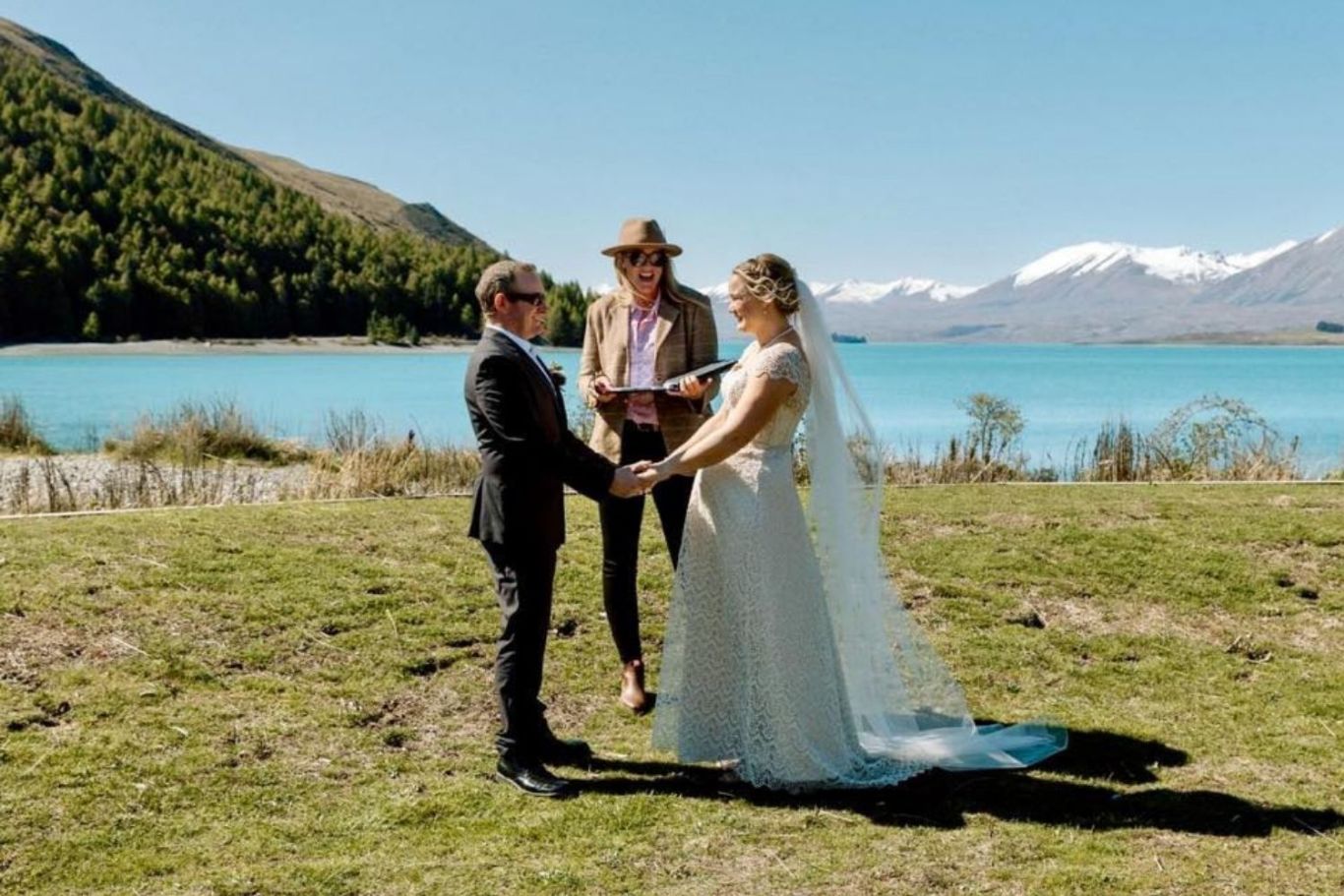
For the modern couple, planning a wedding is as much about financial strategy as it is about aesthetic vision. This article provides a comprehensive look at the costs associated with romantic weddings this year, offering a breakdown of where the money goes and how to achieve a luxury feel on a realistic budget.
The Global Average: What to Expect
In 2026, the average cost of a wedding in the United States has stabilized at approximately $36,000. While this figure serves as a useful benchmark, it is heavily influenced by geography and guest count. For example, a romantic celebration in Manhattan can easily soar past $90,000, while a similar event in a midwestern state might hover around $25,000.
Globally, the “romantic destination” market is seeing a unique trend. While the UK average remains around £22,000 (roughly $27,500), many couples are opting for destination weddings in Southern Europe—think Portugal, Spain, or Italy. Interestingly, these can often be 40% cheaper than local ceremonies in the UK or US, even when factoring in travel, due to lower local vendor costs and the natural beauty of the venues requiring less decor.
The Big Ticket Items: Where the Budget Goes
To plan effectively, you must understand the primary cost drivers. In 2026, the “Venue and Menu” remains the dominant expense, often consuming 50% of the total budget.
- The Venue: The average price for a dedicated wedding venue now sits at $8,600. This cost varies wildly; a rustic barn or a historic ballroom will command a premium, while non-traditional spaces like art galleries or botanical gardens can offer more flexible pricing.
- Catering and Bar: With food inflation affecting the industry, professional catering averages roughly $7,000 for a 100-guest event. Open bars are a major “romantic” staple but add an average of $5,500 to the final bill.
- Photography and Videography: To capture the romance, couples are investing more in visual storytelling. Professional photography packages average $4,400, with high-end cinematic videography adding another $4,000.
- Florals and Decor: The “romantic” aesthetic relies heavily on flowers. In 2026, the average spend on florals is $2,800, though this can triple if you opt for out-of-season blooms or elaborate ceiling installations.
The Rise of the “Romantic Micro-Wedding”
One of the most effective ways couples are managing prices in 2026 without sacrificing the “wow” factor is through the micro-wedding. By capping the guest list at 30 to 50 people, couples are redirecting their funds toward higher-quality experiences rather than high-quantity attendance.
A micro-wedding allows for a “luxury-per-guest” approach. Instead of serving a standard chicken dinner to 150 people, a couple might spend the same amount on a seven-course tasting menu with wine pairings for 40 people. This shift preserves the romantic, intimate atmosphere while significantly reducing the total venue size and logistical costs.
Managing Hidden Costs and Gratuities
A common pitfall for many couples is the “hidden” wedding tax. When reviewing quotes, it is vital to check if service charges (often 20-25%) and local taxes are included. In 2026, these “extras” can add $5,000 to $7,000 to a mid-range budget at the final hour.
Additionally, “romantic” extras—such as late-night snack stations, personalized welcome bags for guests, and professional lighting—can quietly inflate a budget. Experts recommend setting aside a 10% “contingency fund” specifically for these unexpected details that inevitably arise in the final month of planning.
Strategic Saving Without Sacrificing Style
Achieving a high-end romantic look doesn’t always require a high-end price tag. Here are three professional strategies for 2026:
- The “Off-Peak” Advantage: Booking a Friday or Sunday can save up to 20% on venue fees. Similarly, a winter wedding (January or February) can unlock significant discounts from photographers and florists who are in their slow season.
- Repurposing Florals: A savvy trend is moving ceremony flowers (like aisle markers) to the reception (to decorate the head table or cake station). This maximizes your floral investment.
- Digital-First Invitations: While high-end paper suites are beautiful, modern digital invitations have become socially acceptable and can save $1,000 to $2,000 in printing and postage costs.
Conclusion
A romantic wedding in 2026 is an investment in a lifelong memory, but it does not have to be a source of financial ruin. The “best” wedding is not defined by the total amount spent, but by the intentionality of the choices made. By understanding the current market averages, focusing on high-impact items like photography and catering, and considering alternative formats like micro-weddings or off-peak dates, you can create a day that is both breathtakingly romantic and financially sound.
As you begin your planning journey, remember that the most romantic element of any wedding—the connection between the couple—is the only thing that comes free of charge. Focus on what truly matters to you, and the price of your forever will always be worth it.