Beyond the Horizon: Redefining Travel Through the Art of Journeying More
Traveling in the modern age has become increasingly convenient, fast, and structured. With just a few taps on a smartphone, anyone can book a flight, reserve a hotel room, and access a curated list of top-rated tourist spots. Yet, amid this era of hyper-efficiency, a fundamental element of travel often gets lost in translation: the raw spirit of adventure. For true wanderers, travel is not merely about ticking boxes on a bucket list or collecting photographs at famous landmarks. It is about adopting a mindset that transforms every trip into a transformational voyage. This is the core philosophy of embracing a true journey of adventure—a movement that encourages travelers to step away from predictable itineraries and immerse themselves fully in the unknown.
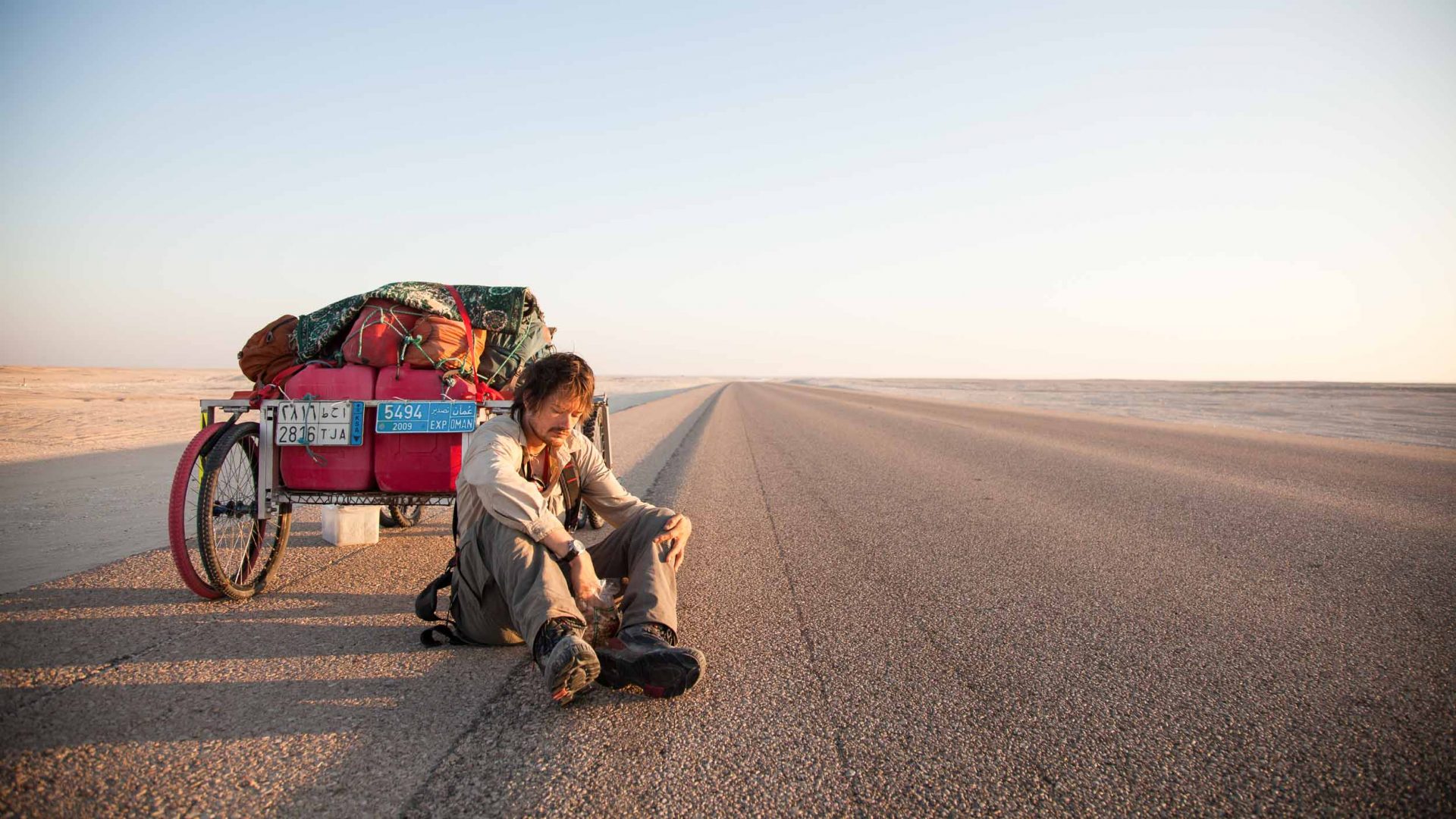
The Philosophy of the Adventure Journey
To understand what it means to journey more adventurously, one must first distinguish between being a conventional tourist and being an active explorer. A tourist seeks comfort, predictability, and passive consumption of famous sights. An adventurer, by contrast, views travel as an dynamic dialogue between themselves and the world around them.
Adventurous journeying is grounded in curiosity and resilience. It is an intentional decision to embrace uncertainty, welcoming unexpected detours as essential parts of the story rather than frustrating disruptions. When you prioritize the journey over the destination, the emphasis shifts from passive observation to deep engagement. You begin to notice the subtle transitions in landscapes, the changing rhythms of local life, and the quiet beauty found in everyday moments along the path.
Moving Beyond the Tourist Trail
One of the most effective ways to cultivate a deeper travel experience is to deliberately venture beyond well-worn paths. Famous landmarks certainly have their merit, but they rarely capture the full essence of a region’s culture or landscape.
- Seek Underrated Regions: Instead of flocking exclusively to overcrowded capital cities or viral Instagram spots, seek out regional provinces, coastal villages, or mountain communities. These areas often retain an authentic pace of life untouched by mass tourism.
- Engage with Local Transport: Opting for slow travel using local trains, regional buses, or bicycles allows you to observe the terrain and interact with residents in a way that private cars and direct flights cannot match.
- Embrace Spontaneity: While basic safety planning is essential, leave flexible windows in your schedule. Allow yourself to take a recommendation from a local resident, explore an unnamed trail, or stay an extra day in a town that captures your heart.
By stepping off the paved highway of conventional tourism, you open the door to unique encounters and unforgettable stories that cannot be replicated from a standard guidebook.
Overcoming Comfort Zones and Cultivating Resilience
True adventure inevitably involves stepping outside your comfort zone. Navigating unfamiliar languages, adapting to foreign customs, and adjusting to basic accommodations can challenge your patience and adaptability. However, these challenges are precisely what make the experience rewarding.
When you push through moments of discomfort—whether climbing a steep mountain trail in unpredictable weather or negotiating a bustling traditional market without speaking the local language—you build a lasting sense of self-reliance. Overcoming these minor obstacles fosters resilience, showing you that you are capable of navigating unfamiliar territory with calm and grace. The confidence gained on an adventurous trail inevitably carries over into daily life, reshaping how you approach everyday challenges long after you return home.
Sustainable Exploration and Cultural Respect
An adventurous journey comes with an important responsibility: protecting the environments and communities that make exploration possible in the first place. Sustainable travel is an integral part of modern adventure.
Adopting a respectful travel ethic involves minimizing your environmental footprint by adhering to Leave No Trace principles, avoiding single-use plastics, and keeping to established trails to protect delicate ecosystems. Equally vital is economic and social sustainability. Supporting local micro-enterprises—such as eating at family-owned eateries, hiring local guides, and buying directly from regional artisans—ensures that your journey positively impacts the host community. True adventure leaves a place better than it was found, fostering mutual respect between travelers and locals.
Conclusion
Embarking on a journey of deeper adventure is ultimately a continuous practice of curiosity, openness, and mindful engagement. It requires us to slow down, look beyond the surface of popular destinations, and embrace the unexpected twists along the way. Travel, at its best, is not an escape from reality, but a powerful return to it—a way to reconnect with nature, engage meaningfully with diverse cultures, and rediscover our own capacity for wonder. As you plan your next trip, remember that the true treasure lies not in the final pin on the map, but in every bold, deliberate step you take along the way.