Reimagining European Travel in 2025
Europe has always been a mosaic of history, culture, and breathtaking landscapes. However, as we move through 2025, the way we experience the continent is shifting. The era of “revenge travel” has evolved into a more thoughtful, intentional approach to exploration. While the allure of Paris, Rome, and Barcelona remains undeniable, the modern traveler is increasingly looking toward “destination dupes”—lesser-known locales that offer the same charm without the overwhelming crowds or inflated costs.
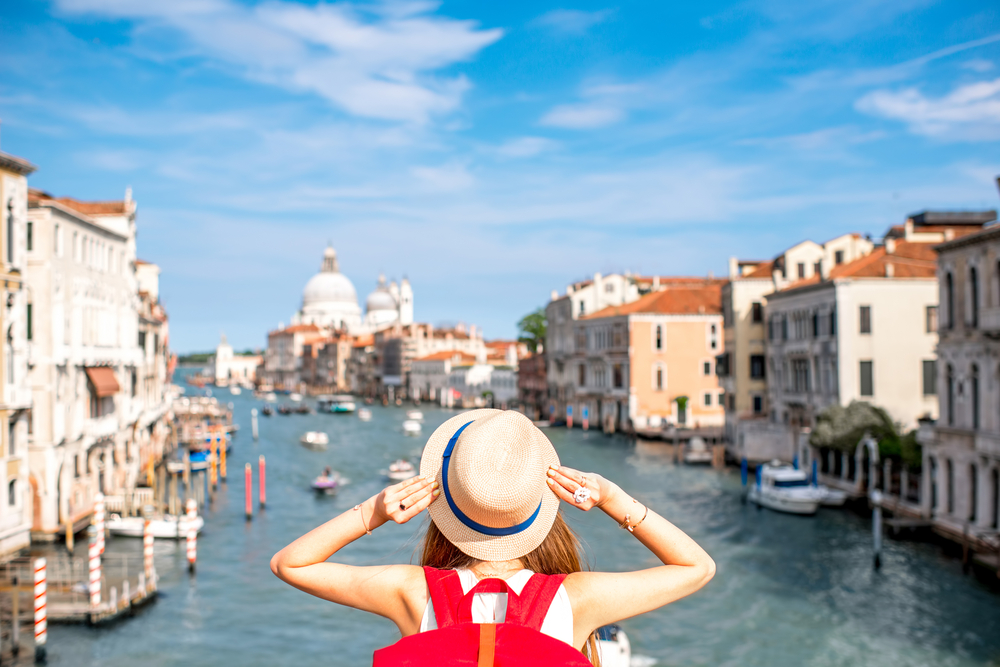
This article explores the most compelling European travel locations for 2025, focusing on hidden gems, sustainable practices, and the essential logistical updates you need to know before you fly.
The Rise of the Hidden Gems
In 2025, the most rewarding trips are found in the quiet corners of Europe. Travelers are trading the congested streets of Venice for the serene canals of Ghent, Belgium, or the rugged, untouched beauty of the Balkan Peninsula.
- Albania: Often called the last secret of Europe, Albania has transitioned from an off-the-beaten-path mystery to a must-visit coastal destination. The Albanian Riviera offers turquoise waters that rival the Greek Isles, but with a fraction of the tourists. For history enthusiasts, the UNESCO-listed towns of Berat and Gjirokastër provide a stunning look at Ottoman-era architecture nestled in the mountains.
- Plovdiv, Bulgaria: As one of the oldest continuously inhabited cities in the world, Plovdiv is a masterclass in layered history. In 2025, it has become a hub for cultural festivals and a thriving arts scene. Its Roman amphitheater is not just a relic; it still hosts world-class performances under the stars, offering an experience that feels deeply authentic and far removed from the commercialized tourist trails.
- Tallinn, Estonia: For those seeking a blend of medieval fairytale aesthetics and cutting-edge digital convenience, Tallinn is the perfect 2025 city break. Its Old Town remains one of the best-preserved in Europe, while the city’s status as a tech capital ensures that your stay is as seamless as possible.
Sustainable Travel and “Quietcations”
A major trend defining 2025 is the “quietcation”—a travel movement focused on tranquility and deep relaxation. This shift is driving interest in eco-friendly retreats and destinations that prioritize environmental preservation.
Montenegro is a prime example of this evolution. While the Bay of Kotor has gained popularity, the country’s interior—specifically Durmitor National Park—offers a sanctuary for those looking to disconnect. Sustainable tourism initiatives here focus on farm-to-table dining, hiking, and preserving the local ecology.
Similarly, Nordic countries continue to lead the way in green travel. Cities like Copenhagen and Oslo are no longer just destinations; they are models of urban sustainability. In 2025, travelers are increasingly choosing rail travel over short-haul flights within Europe, utilizing the expanded high-speed train networks that connect major capitals in a matter of hours, significantly reducing their carbon footprint.
Essential Logistics: Understanding ETIAS in 2025
If you are planning a trip to Europe in late 2025, there is one critical administrative change you must be aware of: the implementation of the European Travel Information and Authorisation System, known as ETIAS.
After several delays, ETIAS is scheduled to begin operations in the final quarter of 2025. This is not a traditional visa but a digital travel authorization for visitors from visa-exempt countries, including the United States, Canada, and the United Kingdom. The process is entirely online, costs approximately 7 Euro, and is valid for three years. It is designed to enhance security within the Schengen Area while keeping border crossings efficient. Before booking your late-year travel, ensure your passport has at least six months of validity, as this is a standard requirement for the digital application.
Practical Tips for the 2025 Traveler
To make the most of your European journey this year, consider the following strategies:
- Embrace the Shoulder Season: With the effects of climate change making summer months increasingly hot in Southern Europe, the “shoulder seasons” of May-June and September-October have become the prime times for travel. The weather is milder, and the colors of the landscape are often more vibrant.
- Use AI for Personalized Planning: Modern AI tools can now help you build itineraries that avoid peak hours at major landmarks. They can suggest “hidden” restaurants or time your visits to museums when crowds are at their thinnest.
- Go Cashless, but Carry a Backup: Europe is almost entirely digital in its payment systems, from the largest hotels to the smallest street vendors. However, in smaller villages in Eastern Europe or remote parts of the Alps, having a few Euros in cash is still a wise precaution.
Conclusion
Traveling through Europe in 2025 is an invitation to discover the continent’s diversity beyond the famous postcards. By venturing into emerging destinations like Albania or Bulgaria, embracing slow and sustainable travel methods, and staying ahead of new entry requirements like ETIAS, you can experience a Europe that is both ancient and innovative.
The beauty of European travel lies in its ability to surprise you. Whether you are sipping coffee in a medieval Baltic square or hiking the rugged peaks of the Balkans, the continent remains a place where every turn in the road tells a new story. Plan with intention, travel with respect for the local environment, and allow the unique spirit of these locations to transform your perspective. Safe travels.